Why Vertical Integration Is Becoming the Defining Strategy for Modern Agribusiness
By Dmytro Rozhko · 2026-06-08
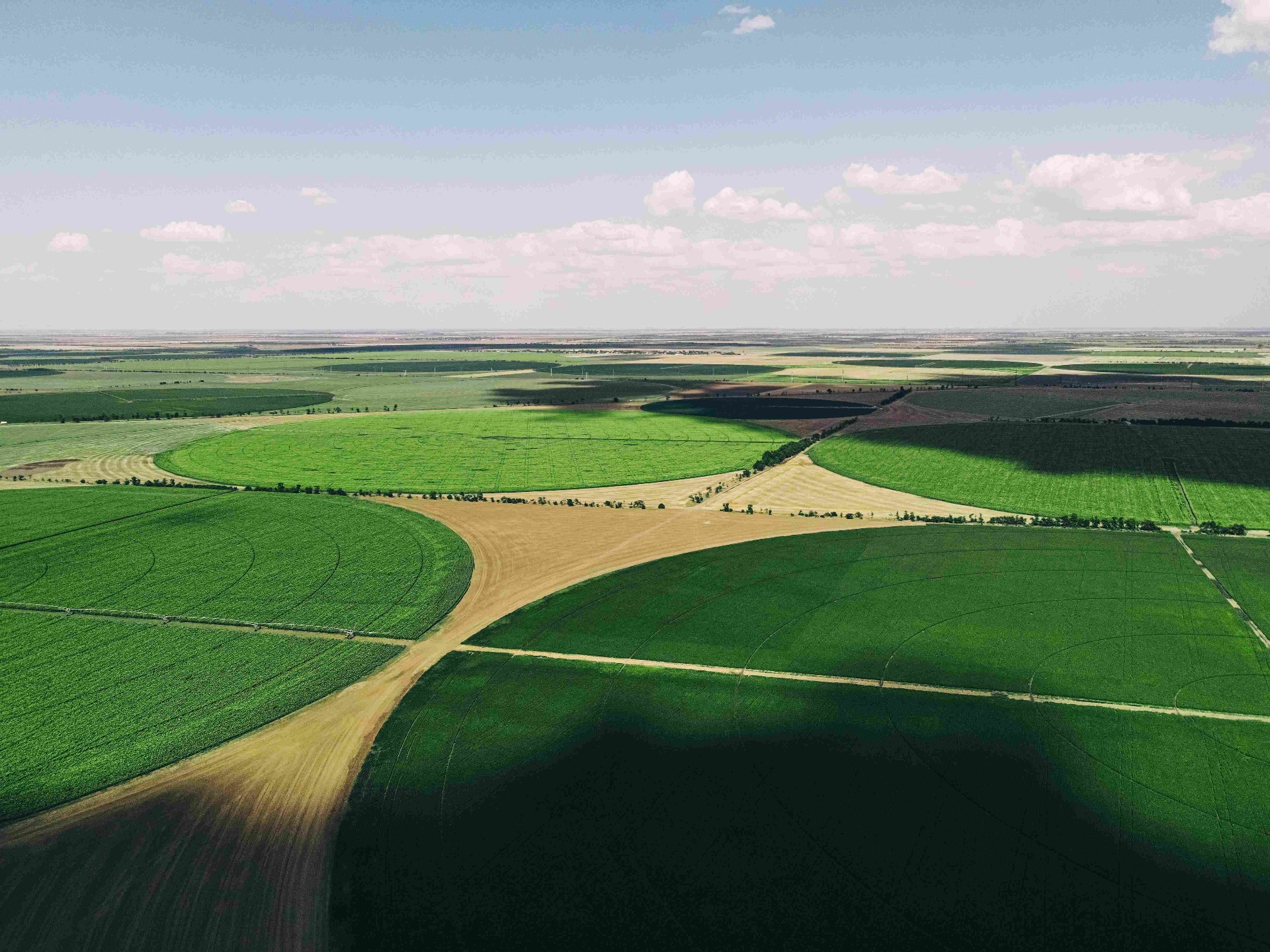
The era of fragmented supply chains in food production is ending. Companies that control the full value chain — from field to distribution — are better positioned to survive disruption, manage costs, and compete globally.
The global food system has spent decades operating on a model of specialization. Farms focused on production. Processors focused on processing. Distributors focused on logistics. Each link in the chain optimized for its own segment, often with little visibility into what happened before or after.
That model is under pressure.
Supply chain disruptions triggered by the COVID-19 pandemic, geopolitical conflicts, energy price volatility, and climate-related events have exposed the fragility of fragmented agricultural supply chains. Companies that relied on external partners for critical inputs — feed, raw materials, logistics, processing capacity — discovered that dependency is a strategic liability when those partners become unavailable or unaffordable.
In this environment, vertically integrated agribusinesses are emerging with a structural advantage.
Control as a Competitive Asset
Vertical integration in agriculture means owning and managing multiple stages of the value chain: crop production, feed manufacturing, livestock farming, meat processing, cold chain logistics, distribution, and in some cases, retail.
The competitive logic is straightforward. A company that controls its own feed supply is less exposed to commodity price volatility. A company that operates its own processing infrastructure sets its own production schedule. A company that manages distribution to retail can protect margins across the chain rather than surrendering them at each handoff.
This model is not new. Large-scale integrated agribusinesses have existed for decades in poultry, pork, and dairy production across the United States, Brazil, and parts of Europe. What is new is the growing recognition that integration is no longer a growth ambition — it is a risk management strategy.
The Cost of Dependency
For companies that remain fragmented, the cost of dependency is becoming measurable.
When feed prices increase by 30%, a livestock producer without its own feed capacity absorbs that cost directly. When processing capacity becomes constrained, a company without its own plant waits in line. When logistics networks are disrupted, a business without internal distribution loses access to markets.
Vertical integration converts these external variables into internal management challenges — problems that can be engineered, optimized, and controlled rather than simply absorbed.
The businesses that weathered the 2020–2022 supply chain crisis most effectively were, in many cases, those with the highest degree of integration. They maintained production continuity, managed input costs more effectively, and were able to respond to demand shifts faster than competitors dependent on external supply chains.
Technology as the Integration Enabler
For many agricultural businesses, the historical barrier to vertical integration was operational complexity. Managing multiple business functions — farming, manufacturing, logistics, sales — requires management infrastructure, data visibility, and operational discipline that smaller organizations often lack.
That barrier is lowering.
Modern farm management systems, ERP platforms adapted for agriculture, real-time production analytics, and AI-driven forecasting tools are making it increasingly practical to coordinate complex, multi-stage operations. Digital infrastructure that once required large organizations to implement is now accessible to mid-sized agribusinesses.
Automation is also reducing the labor intensity that historically made vertical integration difficult to scale. Robotics in livestock facilities, automated feed management systems, and sensor-driven production monitoring are reducing dependency on manual processes while improving operational consistency across multiple production stages.
The Global Context
Demand for animal protein continues to grow across Asia, the Middle East, and Africa. At the same time, consolidation is accelerating in major producing countries. Fewer, larger, and more integrated companies are capturing an increasing share of global trade in pork, poultry, and processed meat products.
For agribusinesses seeking to compete in export markets, integration is becoming a baseline requirement. International buyers — particularly those operating at scale in retail, food service, and industrial processing — prefer suppliers capable of guaranteeing volume, consistency, and quality across the entire production cycle. A fragmented supplier cannot make those guarantees.
This dynamic is reshaping how agricultural companies approach strategic investment. Capital that was once allocated to expanding production capacity is increasingly directed toward acquiring adjacent capabilities — processing plants, logistics infrastructure, input supply — to build the integration that export markets require.
A Strategic Imperative, Not Just an Option
Vertical integration in agribusiness is no longer a strategic choice reserved for the largest players. It is becoming a practical necessity for any company that intends to compete in increasingly volatile, consolidated, and technology-driven global markets.
The transition is not simple. Integration requires capital, management capability, and a long-term planning horizon. It requires the discipline to manage complexity without losing operational efficiency. And it requires the willingness to take on business functions that may be outside a company's historical experience.
But the alternative — continued dependency on fragmented, externally controlled supply chains — carries its own cost. And in the current environment, that cost is rising.
The companies that will define the next generation of global agribusiness are those that are building integration today, not reacting to disruption tomorrow.
---
Dmytro Rozhko is a Ukrainian agribusiness executive and livestock industry expert with more than 16 years of experience in agricultural production, operational management, and vertically integrated food businesses. He serves as the official representative of the Association of Ukrainian Pig Breeders (AUPB) in the United States and is a member of the National Pork Industry Council (PIG-US). He is the Section Editor for Agribusiness & Industrial Operations at Industry Pulse.