Why Rebranding During a Crisis Is Your Best Survival Strategy
By Yaroslav Kryzhanivsky · 2026-06-08
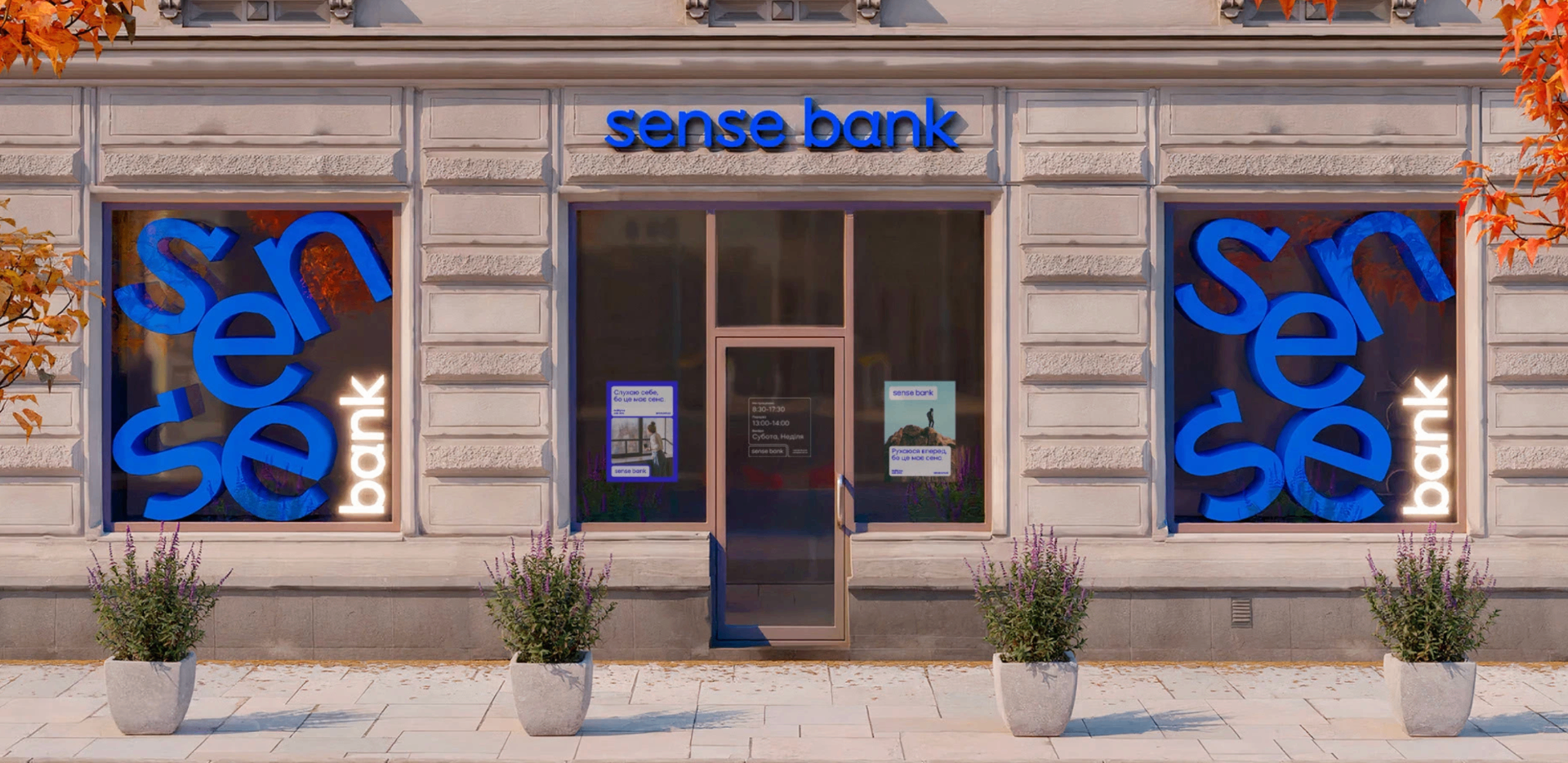
When budgets tighten and markets contract, instinct says to cut design first. The opposite is true: a sharp, honest rebrand is the signal fire that gets a business noticed when everyone else goes quiet.
The global landscape in 2026 has thrown businesses into a pressure cooker. Between the ongoing conflicts in the Middle East, the resulting oil crisis, widespread economic uncertainty, and a fluctuating U.S. dollar fueled by recent political shifts and policies, entrepreneurs are being forced to rethink their entire approach.
When budgets are tight and layoffs are looming, where do design and creativity fit in? It might seem counterintuitive, but right now is exactly the time to think about rebranding. The immediate shock of the global crises will eventually subside, but their economic ripple effects will be with us for years to come.
The Desert Island Metaphor
Crisis conditions are the shortest path to evolution. In a difficult situation, people begin to think more critically, look for ways out, and draw analytical conclusions. The brain fully awakens only under such pressure.
Imagine you are stranded on a desert island in the middle of the ocean. What do you do? Naturally, you first build a temporary shelter out of palm leaves and branches. Then, you forage in the jungle for wild fruit to eat. But how do you ensure that a ship passing in the distance notices you? You light a massive signal fire. You put in maximum effort, rubbing sticks together like Tom Hanks in Cast Away, until you get a spark. The fire burns brightly, the ship spots you, and rescue is on the way.
Lighting the Fire for Your Business
How does this apply to business? During an economic downturn, every company is essentially thrown onto that desert island.
First, we optimize the space around us so we can calm down and think clearly — cutting costs, downsizing offices, or shifting to remote work (building the shelter). Next, we turn to our existing clients, negotiating new contracts and finding mutually beneficial ways to cooperate in the new reality (foraging for food).
Then, it's time to light the fire to attract new clients. That signal fire is the renewal of your brand's visual and emotional perception — a process hiding behind the buzzword "rebranding."
More Than Just a Logo
What exactly is rebranding, and why do you need it? It's not just a superficial facelift. According to standard marketing definitions, rebranding is an active strategy that involves a complex set of measures to change a brand or its components: name, logo, slogan, visual design, and positioning.
It is carried out to shift the conceptual ideology of the brand. Rebranding implies that significant, substantial changes have taken place inside the company. If only the visual shell changes, that's merely "restyling."
Standing Out on the Shelf
Let's look at an example. You are an entrepreneur selling a consumer product through major retail chains. It's high-quality, has much better ingredients than the competition, and is priced fairly. Yet, somehow, you remain unnoticed on the shelf. Or maybe you were noticed once, but a competitor launched something new, and your product was forgotten.
What should you do? Pour more money into PPC ads or put up more flashy shelf stoppers? No. You need to draw attention to yourself with something far more radical. Change everything so that it's unexpected. If your packaging was gray, make it red, blue, or yellow. If it was white, make it black.
The most important outcome of a rebrand is differentiation. You need to become undeniably unique. A successful rebrand in a highly competitive market creates an identity that is incredibly difficult to copy, directly increasing your market competitiveness.
Sometimes, a company simply outgrows its old shell, and an outdated visual system holds it back. Fresh ideas increase customer flow and overall brand popularity. If your new brand story is valuable to customers, you will establish a strong emotional connection that can be successfully monetized. Plus, a rebrand is the perfect news hook for launching a new marketing campaign.
Selling Hope in an Economic Downturn
How should you act when all your clients are tightening their belts due to the crisis? What do you do when advertising budgets are slashed, and employees are losing their vision of a stable future?
The answer can be wrapped in one seemingly cliché word: Hope.
People live on emotions, and hope is one of the brightest — especially in hard times. A successful rebrand will capture the attention of not only potential clients but also your employees. It gives them something fresh to talk about, unites the team, and provides a sense of optimism for the future. Your colleagues will feel a renewed sense of potential and energy.
Moreover, if a company finds the strength and resources to renew itself during a severe economic crisis, a volatile dollar, and soaring oil prices, it sends a powerful message to the market: the wheels are still turning, the business is resilient, and the hard times will pass.
The Power of Emotional Connection
People need to be impressed not only by an updated image but by a qualitatively improved approach to work and direct communication. Attention to detail is a massive plus here. Every brand is, first and foremost, an idea — not just a money-making machine.
If every interaction with your brand yields positive emotions, you will connect with the inner child in your customers. Everyone wants to feel special. Take the example of a popular experience gift company: initially, they just sold basic vouchers, and the brand itself was uninspiring. After a successful rebrand, they started sending customers a large, beautifully designed box. When you open it, there's confetti, a personalized greeting card, and the certificate itself. The box is so nice that people keep it as a keepsake to store jewelry or household items.
The brand makes you fall in love with it on your own territory (since gifts are usually opened at home). When you call their customer service, you are greeted with overwhelming friendliness. The strategists took a brand that sells emotions and made the brand itself emotional. The circle closed. The puzzle came together.
Conclusion
During a crisis, rebranding can save your business just as a signal fire saves a castaway. The spark of a renewed brand attracts new and old clients alike and provides a much-needed sense of hope for you and your employees.
Many have lost their optimism in the current 2026 economic climate. Injecting emotion into your product and updating your brand is exactly what businesses need to do right now. As the American market adapts to these new global realities, moving toward better visual and verbal communication isn't just an option — it's a necessity. The hope is there. You just need to realize it and take the first step.
About the Author
Yaroslav Kryzhanivsky is one of Ukraine's most recognized brand designers and a leading voice in the European design community. As Art Director and Brand Designer, he has shaped the visual identities of some of the country's largest companies — including the full rebrand of Sense Bank, retail giant METRO, the national digital health system E-Health Ukraine, and the "Third Wind by Mastercard" exhibition project — alongside work for construction businesses, pet-care ventures such as Bubibo, industrial engineering brands like Denal, and a wide spectrum of high-growth startups.
His career spans top-tier agencies including Ogilvy, YARCHE, and Gres Todorchuk. A graduate of the National Academy of Fine Arts and Architecture, he combines a classical art foundation with the discipline of the commercial market, building identities engineered to deliver measurable business outcomes. Beyond client work, he lectures and curates at Kyiv Academy of Media Arts and serves as Ambassador at Projector Global Community in Alicante. He is the Section Editor for Design & Brand at Industry Pulse.