The Thermostat Monopoly: Why Private Equity is Cornering the Commercial HVAC Market
Claire Whitmore · Business · 2026-09-15
Commercial real estate is in crisis, but the firms that keep those buildings habitable are quietly generating the most reliable yields in finance.
A commercial skyscraper in downtown Phoenix recently sold for roughly half its 2019 valuation. The building is suffering from the familiar plagues of modern commercial real estate: remote work attrition, rising interest rates, and nervous commercial mortgage-backed securities investors. Yet, while the equity in the building itself has evaporated, a different kind of asset attached to the property is generating double-digit annual returns.
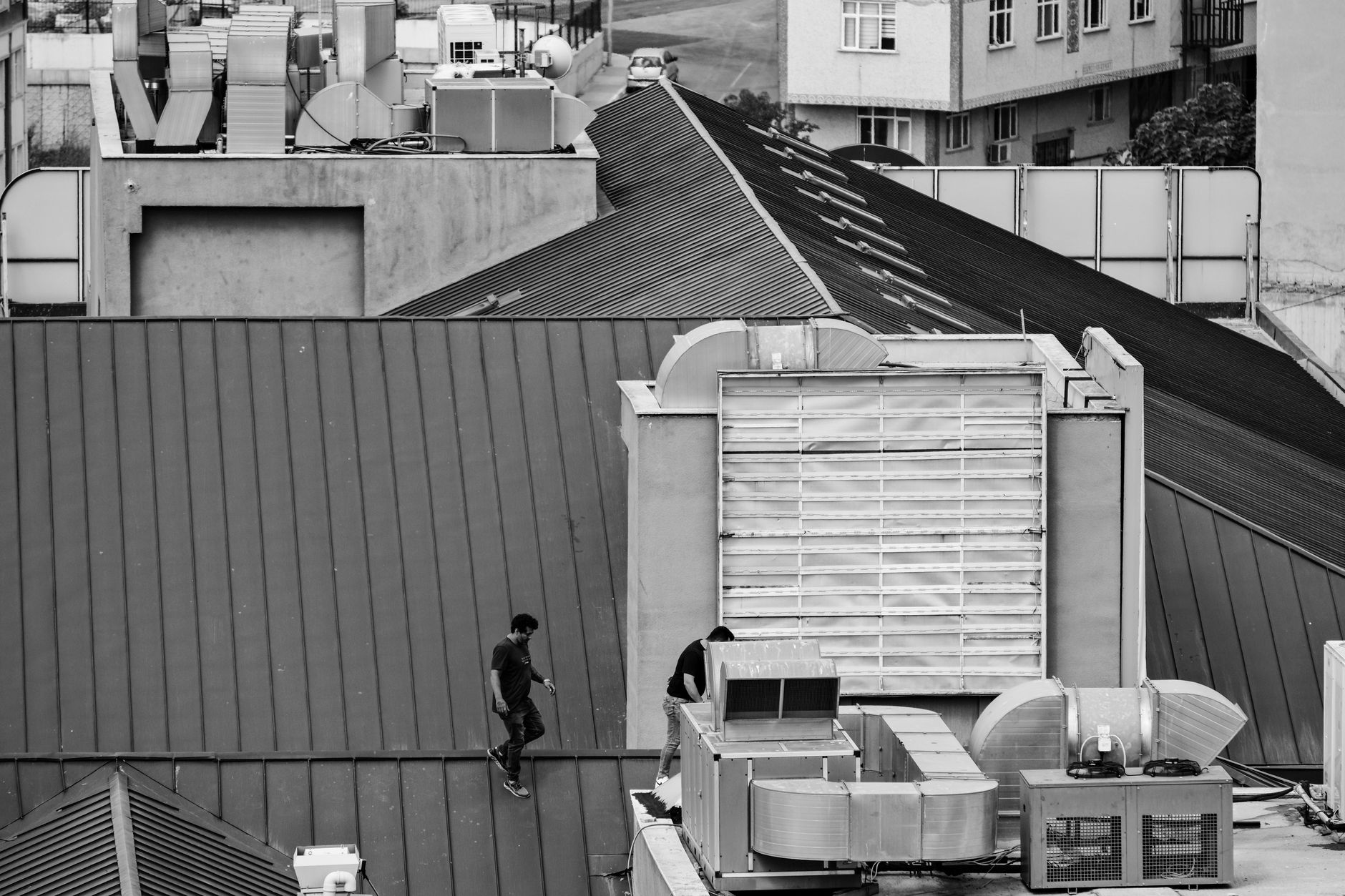
Up on the roof, a massive industrial chiller plant runs twenty-four hours a day. The mechanics who maintain it, the software that dictates its load balancing, and the supply chain that provides its specialized coolants all belong to a localized holding company. That company is quietly owned by a massive private equity fund.
Over the past five years, Wall Street has aggressively executed a roll-up strategy in the mechanical, electrical, and plumbing sector, with a specific, overwhelming focus on commercial heating, ventilation, and air conditioning. The underlying thesis is brutally simple. A tenant might decide they no longer need three floors of office space. But as long as the building remains open in a warming climate, the landlord cannot simply turn off the air conditioning. Thermal management is the ultimate captive market.
The Refrigerant Catalyst
Private equity’s fascination with commercial HVAC did not happen in a vacuum. It was triggered by a specific regulatory horizon. Under the American Innovation and Manufacturing (AIM) Act, the Environmental Protection Agency mandated a steep phase-down of hydrofluorocarbons (HFCs). By the mid-2020s, the industry standard refrigerants, such as R-410A, became heavily restricted due to their high global warming potential.
The transition to new, slightly flammable "A2L" refrigerants required entirely new equipment, updated municipal building codes, and expensive retraining for technicians. For thousands of independent, family-owned commercial HVAC businesses across the United States, the capital required to re-tool and re-train their workforce was prohibitive.
Institutional capital saw an opening. Armed with billions in dry powder, private equity firms began acquiring these independent operators at a frantic pace. They offered aging founders an exit strategy right before the regulatory burden became unmanageable. By consolidating dozens of regional operators into massive, multi-state platforms, these funds achieved economies of scale that no local outfit could match. They centralized dispatch, bulk-purchased the new, expensive refrigerants at a discount, and standardized training protocols.
The Software Moat
The consolidation of the workforce was merely the first step. The true financial engineering occurred in the revenue models.
Historically, commercial HVAC maintenance was often a reactive business. A chiller broke down, a technician was dispatched, and an invoice was paid. The new corporate owners have entirely restructured this relationship. Today, the focus is on recurring maintenance revenue and software integration.
Modern commercial cooling systems are governed by complex Building Management Systems. When a private equity-backed HVAC platform services a building, they increasingly integrate proprietary diagnostic sensors and predictive maintenance software. This technology monitors vibration, fluid levels, and energy consumption in real time.
While this prevents catastrophic hardware failure, it also creates an impenetrable vendor lock-in. The diagnostic codes and performance data are often housed in closed ecosystems. If a building owner decides to switch to a cheaper, independent servicing company, the new technicians are effectively locked out of the system's brain. The landlord is forced to sign multi-year, premium service contracts simply to maintain access to their own climate control data.
The Climate Toll Road
The financial brilliance of this strategy lies in its insulation from the broader commercial real estate collapse.
When a building's valuation plummets, the landlord attempts to cut operating expenses. However, cooling a high-rise is largely an inelastic expense. Office leases contain strict clauses regarding acceptable temperature ranges and air quality metrics. If a landlord fails to maintain a 72-degree environment, tenants can legally withhold rent or break their leases entirely.
Furthermore, extreme weather events are accelerating the wear and tear on legacy cooling systems. Equipment designed in the 1990s to operate in peak summer temperatures of 95 degrees is now routinely forced to function in 105-degree heat. Compressors fail faster. Condenser coils require more frequent chemical cleaning. The maintenance cycle is accelerating, and the private equity platforms own the technicians necessary to perform the work.
They have essentially positioned themselves as the operators of a climate toll road. The underlying real estate may be distressed, but the mechanism required to keep that real estate habitable is highly profitable.
The Inflationary Squeeze
This consolidation has immediate consequences for the urban economic landscape. As regional HVAC monopolies form, the hourly rate for specialized commercial technicians has surged.
For large institutional landlords—real estate investment trusts and multinational asset managers—these rising costs are a frustration, but they can be absorbed or passed on to high-end tenants through common area maintenance charges.
For smaller operators, however, the situation is dire. The owner of a Class B medical office building or a mid-sized suburban retail center operates on thin margins. When a centralized HVAC provider raises seasonal maintenance rates by forty percent, knowing there are no independent competitors left in a fifty-mile radius, the landlord has no leverage.
This dynamic is quietly accelerating the distress in the lower and middle tiers of commercial real estate. Unable to afford the necessary upgrades to comply with new refrigerant laws, and unable to negotiate with the consolidated service providers, smaller landlords are being pushed toward default. The thermal operating costs are devouring whatever net operating income remains.
Regulatory Headwinds
The sheer profitability of these local monopolies is beginning to attract scrutiny. Municipalities are starting to realize that commercial cooling is no longer a standard business-to-business service; it is critical urban infrastructure.
During recent heat waves in the Sun Belt, delayed maintenance on commercial chillers resulted in localized evacuations of nursing homes and municipal buildings. When city officials investigated, they found that the consolidated service providers were triaging their dispatches, prioritizing high-margin corporate clients over civic infrastructure.
This has sparked quiet discussions among state attorneys general regarding antitrust enforcement in the mechanical services sector. If a single holding company controls eighty percent of the commercial technicians in a metropolitan area, they function as an unregulated utility. There is growing pressure to classify essential climate control services under a new regulatory framework, which could impose caps on emergency dispatch rates and mandate open-source diagnostic data for building management systems.
The End of Cheap Air
Wall Street’s aggressive move into commercial climate control highlights a fundamental shift in how we value the built environment.
For decades, the air conditioning was viewed as a static utility—a hidden mechanical feature that quietly enabled the modern economy. The value was in the architecture, the location, and the square footage.
That equation has inverted. The square footage is increasingly abundant and cheap. The technology required to make that square footage thermally survivable is scarce and expensive. Private equity recognized this inversion early. By purchasing the mechanical workforce and locking down the diagnostic software, they have secured the most valuable remaining component of the commercial real estate sector. They do not need to own the buildings. They own the atmosphere inside them.