The Phantom Stockpile: Why Manufacturers Are Hiding Copper Inside Your Appliances
Nathan Caldwell · Manufacturing · 2026-09-19
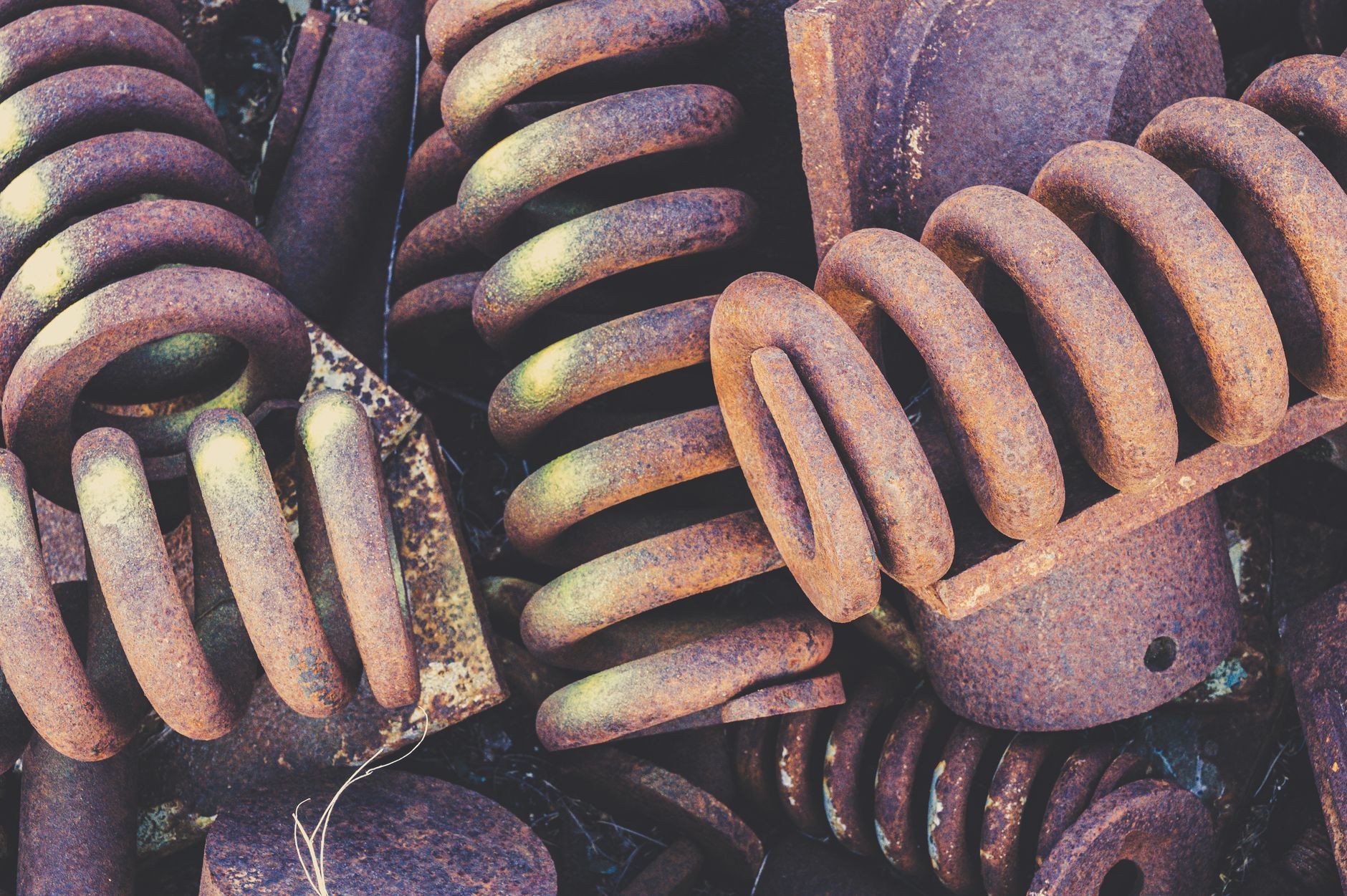
Facing raw material volatility and strict new holding taxes, industrial giants have found a loophole: storing critical minerals inside intentionally over-engineered products.
In early 2026, an independent engineering firm in Detroit began noticing a strange anomaly in their routine teardowns of commercial washing machines, industrial transformers, and mid-tier electric vehicle chargers. The machines were getting heavier. Specifically, the copper wiring was thicker than required, the aluminum heat sinks were unnecessarily dense, and the rare-earth magnets in the brushless motors contained higher concentrations of neodymium than any standard performance metric could justify.
Initially, the firm assumed they were observing a bizarre regression in industrial design. For decades, the entire discipline of manufacturing engineering has been dedicated to "lightweighting"—stripping out every extraneous gram of material to reduce costs and improve shipping efficiency. Yet, across three different sectors, major original equipment manufacturers were suddenly reversing course. They were putting more critical minerals into their products than the blueprints strictly required.
The phenomenon is not a mistake, nor is it a sudden commitment to extreme durability. It is a deliberate financial strategy. American manufacturers have begun using their own finished goods as off-balance-sheet strategic reserves, a practice quietly referred to in supply chain circles as strategic over-specification.
Faced with volatile commodity markets, fragile geopolitical supply lines, and strict new federal penalties on raw material hoarding, industrial giants have found a loophole. They are hiding their critical mineral stockpiles in plain sight, embedding excess copper, aluminum, and rare earths directly into the products they sell and store.
To understand the mechanics of this shift, one must look at the regulatory landscape that birthed it. Following the severe supply chain ruptures of the early 2020s and the subsequent scramble for electrification minerals, governments worldwide panicked. In the United States, the response included aggressive oversight of commodity inventories. The Critical Minerals Allocation framework, designed to prevent massive corporations from cornering the market on battery-grade lithium or industrial copper, imposes steep holding taxes on raw materials sitting idle in warehouses. If a company hoards raw copper ingots beyond a ninety-day production supply, they face punishing levies intended to force that metal back into the active market.
The legislation effectively killed the traditional corporate stockpile. Procurement officers could no longer buy three years' worth of raw materials during a price dip. But the law only taxes raw, unprocessed inventory. Once a kilogram of copper is wound into a stator and bolted inside a steel casing, it legally ceases to be a regulated commodity. It becomes "Work in Progress" or "Finished Goods Inventory."
By over-engineering a commercial HVAC unit to include thirty percent more copper tubing than strictly necessary for thermal transfer, the manufacturer transforms a taxed raw material into an untaxed finished asset. The extra metal acts as a physical hedge against future price spikes. If copper prices double next year, the company is insulated. They have already secured the material, quietly absorbing the cost into the current year's manufacturing budget.
This requires a fundamental rewiring of corporate accounting. Traditionally, excess material in a product is pure margin destruction. A chief financial officer would immediately flag a product line that uses forty pounds of aluminum when twenty-five would suffice. Today, that extra fifteen pounds is treated internally as a capitalized asset, a literal store of value embedded within the product. The factory floor has become a decentralized commodity bank.
Engineers are being tasked with a novel challenge: designing products that can hold excess weight without compromising basic function, and more importantly, designing them so the excess material can be easily retrieved if needed. This is not the circular economy environmentalists envisioned. This is reverse assembly optimization. The excess copper is often wound in secondary, non-essential coils or layered in easily accessible base plates.
If a severe supply shock hits—say, a blockade cuts off access to primary copper processing facilities—a manufacturer can recall or buy back their own unsold inventory from distributors. They can break down the over-specified units, strip the excess metal, and feed it directly back into their primary production lines to keep high-margin products moving. The finished appliance serves as a highly complex, slightly inefficient storage container for the raw material.
The logistics of this strategy extend beyond the warehouse. Some heavy equipment manufacturers are realizing they do not even need to hold the inventory themselves. By selling these over-engineered machines to commercial clients with strict buy-back clauses or aggressive end-of-life recycling contracts, the manufacturer effectively uses their customer base as free storage. The client pays for the machine, operates it, and when the warranty expires, the manufacturer reclaims the unit, harvesting the inflated mineral content.
This dynamic is already distorting the secondary market for industrial equipment. Scrap dealers and liquidators are discovering that 2025 and 2026 model years yield significantly higher recovery rates for precious and industrial metals than earlier models. Consequently, the salvage value of these specific production runs is detaching from their utility value. A broken 2026 industrial pump is suddenly worth more dead than alive, simply because of the strategic metal reserves baked into its chassis.
Critics of this analysis point out that modern equipment often requires heavier components to handle the higher electrical loads of modern infrastructure. They argue that thicker wiring is a hedge against thermal failure, not supply chain failure. Furthermore, intentionally inflating the weight of shipping containers incurs massive freight costs, seemingly negating any arbitrage gained by hiding raw materials from the tax authorities.
While the freight argument holds true for consumer goods shipped across oceans, it falls apart in the realm of heavy domestic manufacturing. The freight penalty for adding ten pounds of copper to a commercial chiller unit moving by rail from Ohio to Texas is marginal compared to the price volatility of the copper itself. Furthermore, teardown analyses have shown that the excess material is frequently placed in areas that do not experience thermal stress. The metal is structurally inert. It is there to be stored, not to perform.
The implications of phantom stockpiling ripple outward through the macro-economy. Commodity tracking algorithms, which rely on warehouse receipts and visible raw inventory to gauge global demand, are flying blind. The data suggests that manufacturers are running lean, operating with razor-thin raw material buffers. In reality, the buffers are massive; they are just categorized differently on the balance sheet. This hidden inventory cushions the manufacturing sector against price shocks, but it also creates false signals in the commodities futures markets, potentially delaying new mining investments because demand appears artificially low.
We are witnessing the physical financialization of the assembly line. A product is no longer just a machine designed to perform a task; it is a financial instrument, a physical derivative tied to the spot price of rare earth metals and industrial conductors.
As regulators eventually catch on to this arbitrage, the definition of what constitutes a "raw material" will inevitably broaden. Tax authorities may begin demanding metallurgical assays of finished goods, taxing the theoretical extraction value of the embedded minerals. Until that bureaucratic mechanism is built, however, the heavying of American manufacturing will continue.
The true strategic reserve of the industrial economy is no longer buried in a government vault or stacked neatly in a regulated commodities exchange. It is sitting quietly in distribution centers, disguised as commercial laundry equipment, heavy-duty alternators, and server racks, waiting for the day the supply chain breaks.