The Campus Liquidation: Why Mid-Tier Colleges Are Becoming Real Estate Holding Companies
Emma Carlisle · Education · 2026-08-24
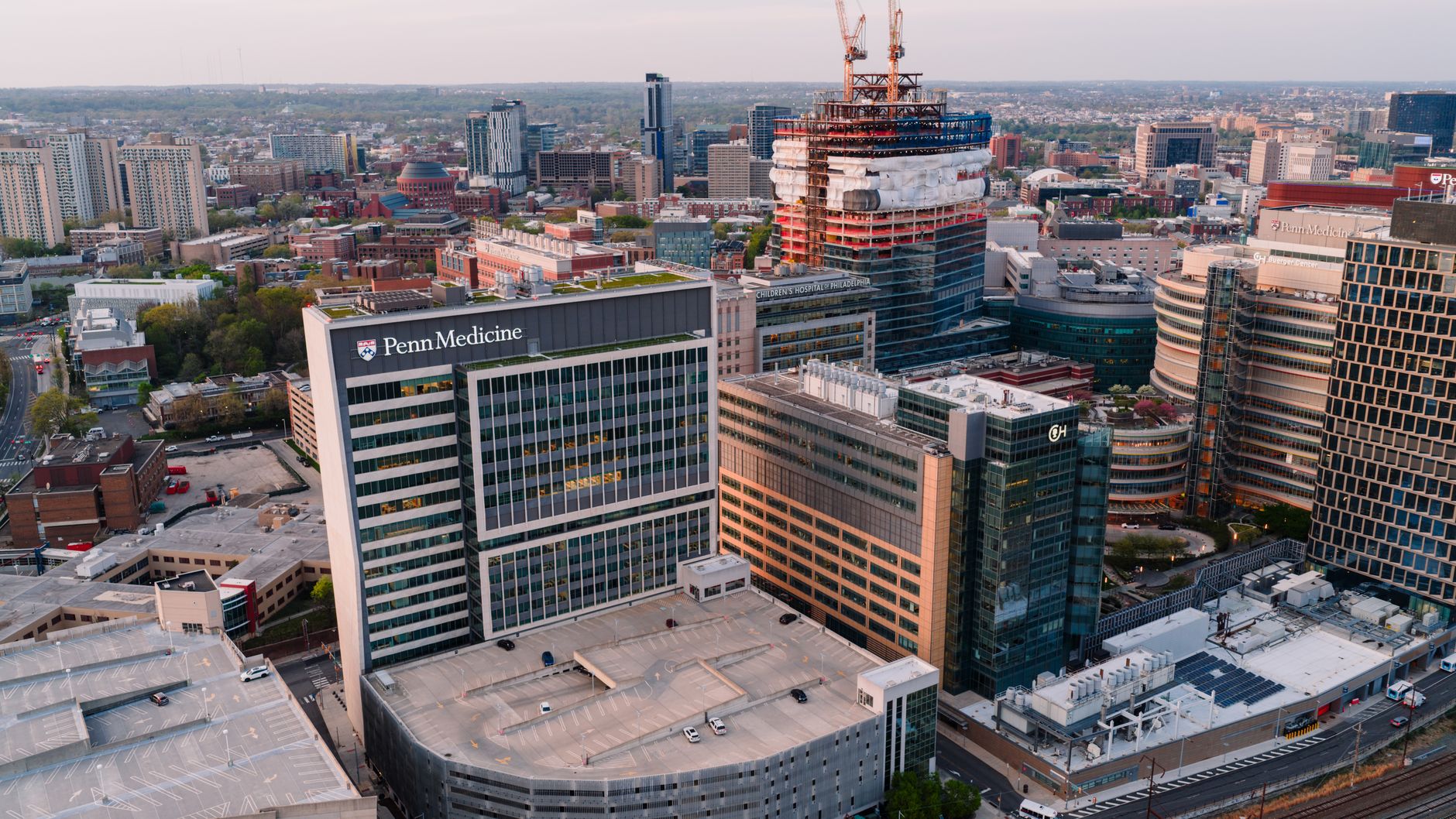
Facing a demographic collapse in enrollment, mid-tier private universities are realizing their most valuable asset is their physical acreage, transforming themselves into tax-advantaged real estate developers to survive.
The demographic cliff long feared by American higher education has arrived, and it is reshaping the physical landscape of the traditional college campus. Between plummeting birth rates from the late 2000s and a persistent cultural shift away from four-year degrees, mid-tier private universities are facing an existential crisis. Tuition revenue can no longer cover the operating costs of sprawling, maintenance-heavy campuses. In response, a quiet but profound transformation is taking place: colleges are pivoting from education providers to mixed-use real estate developers.
For decades, the standard playbook for a struggling college involved aggressive marketing, expanding athletic programs, or discounting tuition to maintain headcount. Today, administrators are looking at their balance sheets and realizing their most valuable asset is not their faculty, their curriculum, or their alumni network. It is the hundreds of acres of prime, often tax-advantaged land they sit on, usually located in desirable suburban or semi-urban corridors.
This realization has birthed a new model of institutional survival. Rather than selling off the college and closing its doors, boards of trustees are shrinking the educational footprint to a sustainable core while leasing the surplus acreage for commercial use. The university effectively becomes a holding company, operating a small educational subsidiary just large enough to maintain its non-profit, tax-exempt charter, while the bulk of its revenue flows from long-term ground leases to data centers, senior living facilities, and corporate research parks.
The Yield on Ivy
The arithmetic driving this shift is brutal. A typical liberal arts college in the Midwest or Northeast requires an enrollment of roughly 2,000 students to break even. As applicant pools shrink, the discount rate—the amount of tuition offset by institutional grants and scholarships—has skyrocketed, often exceeding 60 percent. Every new student brings in less net revenue, while the fixed costs of maintaining dormitories, dining halls, and academic buildings remain static.
Enter the real estate pivot. Consider a hypothetical 300-acre campus originally built for 3,000 students, now housing barely 1,200. Maintaining the empty space drains the endowment. But that same land, re-zoned or repurposed under the institution's existing municipal agreements, represents a goldmine.
Colleges are partnering with commercial developers to build "innovation districts" or "intergenerational living communities" directly on campus. The developer covers the capital expenditure of building the facilities. The college provides the land on a 99-year lease, securing a guaranteed stream of baseline revenue that is entirely decoupled from enrollment fluctuations.
This is not the traditional college-town dynamic where local businesses spring up around a university. This is the university actively monetizing its physical footprint by integrating non-academic populations into the campus itself. Retirees looking for lifelong learning opportunities and access to university medical facilities are a particularly lucrative demographic. Several institutions have already replaced under-utilized residence halls with high-end senior living complexes, creating a closed-loop economy where the rent checks subsidize the English department.
The Tax-Exempt Shield
The most controversial aspect of this transition is the regulatory arbitrage it entails. Most private universities operate under 501(c)(3) status, exempting them from local property taxes. Municipalities tolerate this because colleges traditionally function as local economic engines, providing jobs and driving foot traffic.
However, as colleges transform into commercial landlords, the lines blur. While revenue generated directly from educational missions is tax-free, income from commercial leases is theoretically subject to Unrelated Business Income Tax (UBIT). Yet, universities are employing sophisticated legal structuring to minimize this liability. By framing senior living centers as "educational extensions" where residents audit classes, or categorizing corporate research parks as "student internship pipelines," institutions argue that these commercial ventures are deeply intertwined with their core mission.
Local tax assessors are increasingly skeptical. Towns that are already strapped for cash are watching prime real estate generate millions for private developers and university endowments while contributing nothing to the municipal tax base. The legal battles over what constitutes an "educational purpose" are poised to become the defining municipal finance disputes of the late 2020s.
If courts side heavily with the universities, we could see a scenario where the corporate structure of choice for a regional real estate developer is an acquisition of a failing college, purely to inherit its tax-exempt charter and zoning privileges.
The Shrinking Core
What happens to the actual education in this model? It becomes highly specialized and intentionally small. The goal is no longer growth, but stability.
By eliminating the pressure to fill thousands of beds, colleges can stop offering generic, low-margin degree programs designed solely to attract bodies. Instead, they can focus on niche academic strengths, supported by the financial bedrock of their real estate operations. A college might reduce its student body from 2,500 to 800, fire half its administrative staff, and focus entirely on nursing, engineering, or a specific liberal arts discipline.
The campus experience changes radically. Students share dining facilities with tech workers and library space with retirees. The isolation of the traditional collegiate bubble is replaced by a porous, multi-generational environment. Proponents argue this is a more realistic preparation for the professional world. Critics see the ultimate capitulation of higher education to raw commercialism, where students are reduced to a secondary nuisance on a corporate office park.
The Inevitable Restructuring
The transition from college to real estate trust is not a failure; it is a market correction. The United States simply has more traditional college infrastructure than its demographics can support. The historical alternative to this kind of restructuring is bankruptcy, a messy process that leaves towns with abandoned campuses that attract blight and depress local property values.
By monetizing their land, struggling institutions preserve their endowments, honor their tenured faculty commitments, and keep their doors open for a smaller, more focused student body. They also prevent catastrophic economic shocks to their host municipalities by replacing lost student spending with commercial and residential development.
As the enrollment cliff accelerates through 2026 and beyond, expect the definition of a university to stretch even further. The most resilient institutions will not be those with the best marketing campaigns or the flashiest lazy rivers, but those that understand their campus is a portfolio of assets waiting to be unlocked. The business of education is increasingly becoming the business of land management.